Key Considerations When Picking a Fence for Your Property
Finding the right fence for your property is a crucial decision that impacts safety, privacy, aesthetics, and overall property value. A well-chosen fence enhances the visual appeal of your home, provide security for your family, and define property boundaries clearly. However, with so many materials, styles, and designs available, making the right choice can feel overwhelming. Understanding the key factors to consider will help you make an informed decision that suits both your functional needs and design preferences. Whether you want a low-maintenance option, added privacy, or a decorative feature, this guide highlights the top considerations to guide your fencing decisions.
Purpose of the Fence
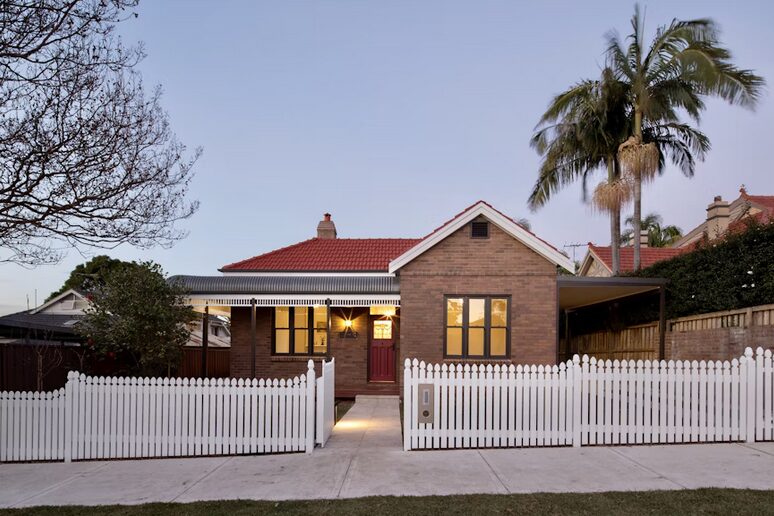
The first and most important consideration is the primary purpose of your fence. Are you seeking privacy, security, aesthetic appeal, or a combination of these factors? For instance, a tall, solid wooden or vinyl fence works well for privacy, blocking the view from neighbors or passersby. Security-focused fences may include metal or wrought iron designs with added height and locking gates to deter intruders. Decorative fences, such as picket or split-rail styles, can enhance landscaping without fully restricting visibility. Clearly defining the purpose ensures you select a design and material that fulfills your main objective effectively.
Material Selection

Selecting the right material for your fence is another essential factor. Fence materials vary in durability, maintenance needs, cost, and appearance. Wood has a classic look and can be customized with paint or stain, but it may need regular maintenance to prevent insect damage or rot. Vinyl fences are low-maintenance, resistant to weathering, and available in multiple styles, though they can be more expensive upfront. Metal fences, including aluminum and wrought iron, provide strength and longevity, while chain-link fences are economical and functional, ideal for security or containing pets. Consider the balance between budget, upkeep, and desired look when choosing the material.
Local Regulations and Property Lines
Before installing a fence, it is crucial to review local regulations and confirm property lines. Some municipalities have restrictions regarding fence height, materials, or placement, particularly in residential areas. Additionally, confirming property boundaries with neighbors or through official surveys prevents disputes over encroachment. Adhering to regulations ensures your fence is legal and avoids potential fines or forced modifications later. Proper planning in this stage can save time, money, and future headaches, giving you confidence that your investment will last without conflict.
Budget and Long-Term Value
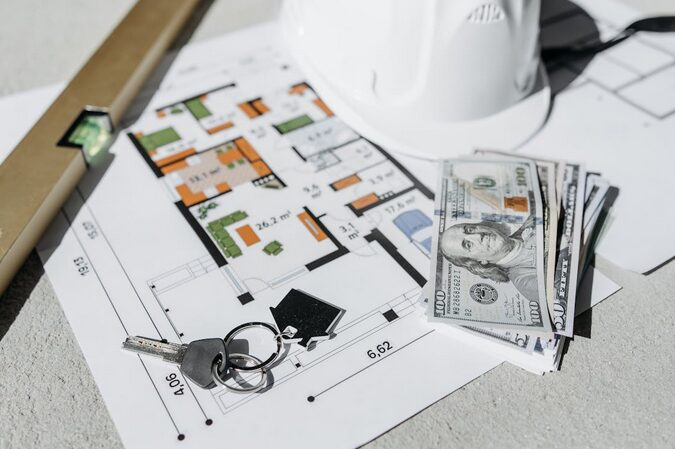
Your budget is critical when choosing a fence, but it is important to factor in both initial costs and long-term value. While some materials may have a lower upfront cost, ongoing maintenance or repairs can add expenses over time. Investing in durable materials and professional installation can increase your fence’s lifespan, reduce maintenance costs, and even boost property value. Balancing cost with quality ensures your fence is a worthwhile investment that meets your functional and aesthetic needs without unnecessary financial strain.
Maintenance Requirements
Different fences require varying levels of upkeep. Wood fences may need periodic staining, sealing, or repairs to maintain appearance and prevent deterioration. Vinyl fences require minimal maintenance, occasionally needing cleaning to remove dirt or debris. Metal fences might need rust prevention treatments, especially in humid or coastal areas. When selecting a fence, consider the time, effort, and cost involved in maintaining it over the long term. A low-maintenance option can be particularly valuable for busy homeowners who want a functional and attractive fence without investing substantial time in upkeep.
Selecting a suitable fence for your property requires careful consideration of several factors. Understanding the primary purpose of your fence guides decisions about design and functionality. Choosing the right material balances aesthetics, durability, and maintenance needs. Compliance with local regulations and confirmation of property lines prevents disputes and legal issues. Evaluating maintenance requirements ensures you select a fence that fits your lifestyle, while budgeting for long-term value ensures your investment is both practical and financially sound. By carefully weighing these top five considerations, homeowners can confidently choose a fence that enhances their property, provides security, and complements their outdoor environment.…